Bahrain's sovereign wealth fund Mumtalakat and ARP will establish an AI-native wholesale bank, with in-principle approval from the Central Bank of Bahrain.
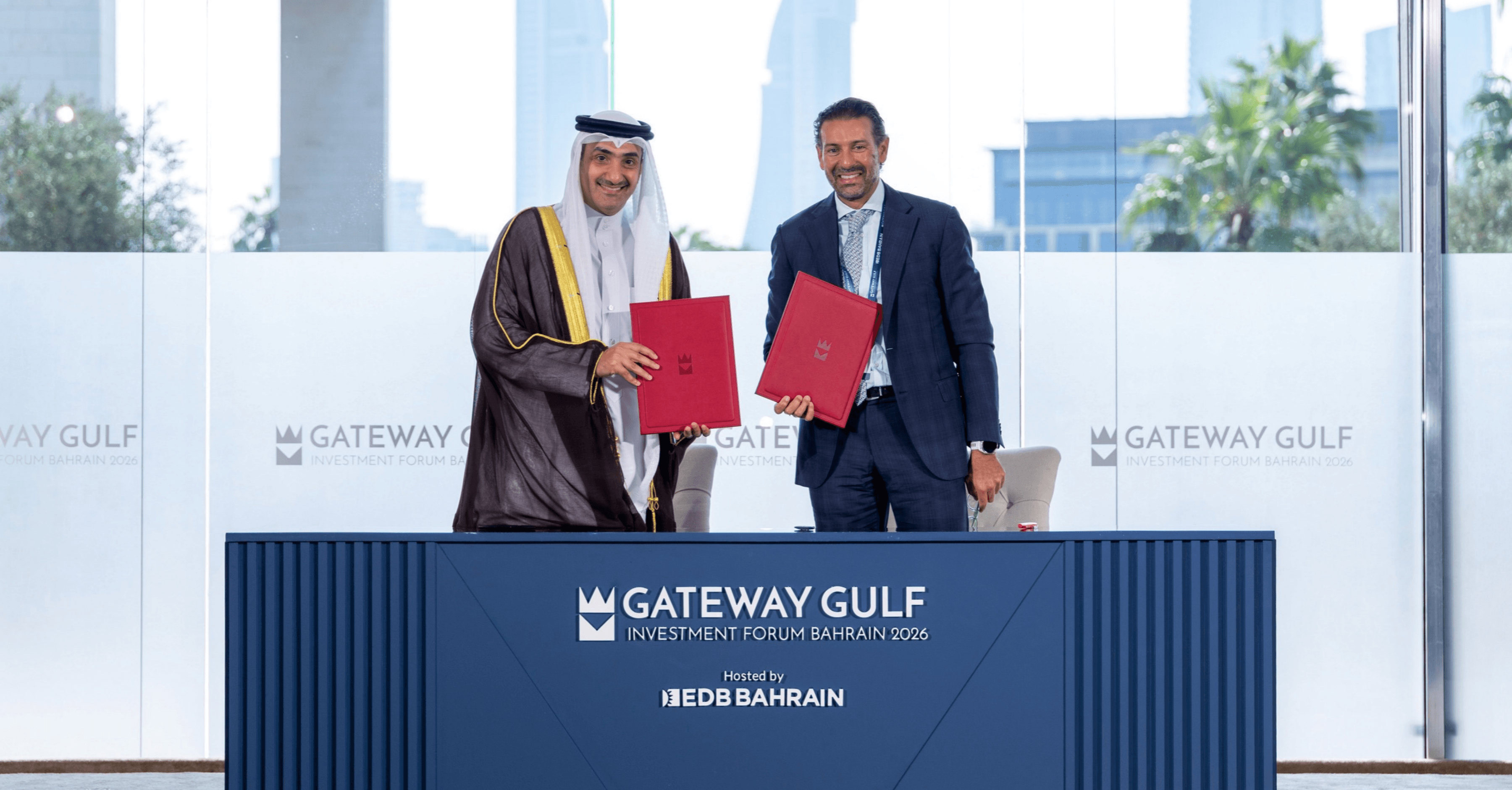
Bahrain's sovereign wealth fund Mumtalakat and ARP will establish an AI-native wholesale bank, with in-principle approval from the Central Bank of Bahrain.




Local rails and correspondent banking solve different problems. How they compare on reach, cost, capital and risk, and when each is the right tool. Slug: local-rails-vs-correspondent-banking
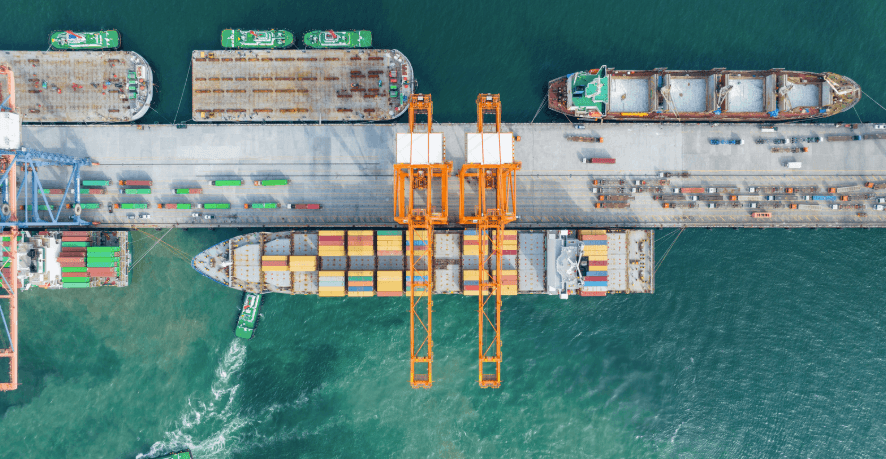
Correspondent routes are contracting while corridor demand grows. What local payout rails give a payment provider, and what each destination market allows.

Cross-border float is not idle by choice. Funding cutoffs, peak-sized floats and slow repatriation immobilise working capital across every corridor.
What a GCC payment provider actually integrates when adding digital asset rails: authentication, webhooks, wallet screening, and where integrations stall.

The same corridor can cost different amounts on different days. Account types, rail limits, rate sources and destination infrastructure all move the number.
A cross-border payment cost is not one spread. It is a weighted average of the routes each transaction took. How the cost stack works for GCC businesses
Remittance settlement runs on three rails: correspondent banking, SWIFT messaging, and direct digital asset settlement. How each differs on cost and capital.

A remittance is a cross-border transfer of funds by a worker to their home country. How settlement actually works for GCC exchange houses and PSPs.
How UAE exchange houses settle AED to INR remittances in real time, corridor economics, SWIFT limitations, and stablecoin settlement rails explained.
How do ARP Digital, Ripple, and BVNK compare for GCC exchange house settlement? CBB licensing, live AED/BHD rails, and institutional onboarding assessed.